Apps Like Opal: Analytics vs. a Reward You Can Pet
By Aaron Wakely, Nurrow founder · August 9, 2026
Opal is one of the most polished screen-time apps on the iPhone: it uses Apple's Screen Time controls to gate distracting apps, runs scheduled focus sessions with adjustable strictness, and reports back how much attention you've reclaimed. If you're here, you probably like what Opal does and dislike what it costs, or you've found that reports about saved hours don't actually change what your thumb does at 11pm. Both are fair, and they point to different alternatives.
What Opal Gets Right
- App-level blocking through the operating system, which reaches the apps themselves rather than just the browser.
- Scheduling and strictness levels, from gentle nudges to hard-to-bypass sessions.
- Genuinely good reporting, if seeing "2 hours reclaimed today" motivates you, Opal serves it beautifully.
Where Nurrow Takes a Different Approach
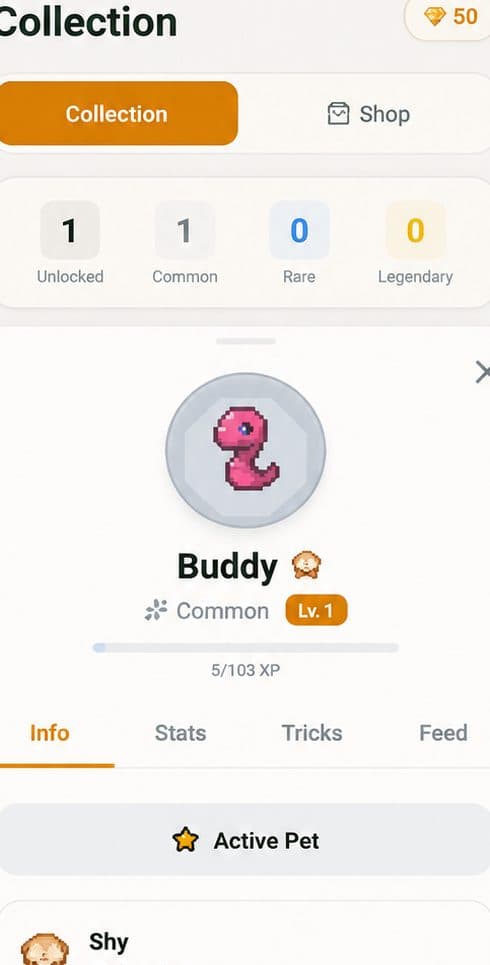
Nurrow's bet is that the reward, not the report, is what keeps people coming back. You start a focus session, the sites on your blocklist become unreachable until it ends, and finishing earns eggs that hatch into a collection of 100+ pets, with rarity tiers, friendship levels that grow with use, and a streak that builds daily. The progress is a thing you can look at and grow rather than a percentage. It's free to start on Android and iPhone with no account required, which also makes it the lower-commitment way to find out whether session-based focus works for you at all.
Where Opal Is Still the Better Fit
If the apps themselves are your problem, TikTok, Instagram, the infinite feeds, app-level gating is the right mechanism, and Opal does it better than a website blocker can. The same is true if what you want is passive, always-on protection with scheduled sessions you set once, rather than sessions you deliberately start. And if analytics genuinely motivate you, Opal's reports are the best in this category and worth what they cost.
Which One Should You Actually Use?
Split it by mechanism and by what moves you. App gating, always-on schedules, and data as motivation: Opal. Deliberate work sessions, website blocking, and a reward loop as motivation: Nurrow, with your phone's free built-in screen-time tools covering the app-gating gap. If the subscription is the whole reason you're leaving, that combination, Nurrow plus the built-ins, replicates most of the everyday value at no required cost.
Keep Exploring
Frequently Asked Questions
Why do people search for an Opal alternative?
Overwhelmingly, the subscription. Opal's full feature set, the stronger blocking modes, scheduling, and detailed reports, sits behind a yearly subscription that costs more than most people expect a screen-time app to. The product itself is well made; the search for alternatives usually starts at the renewal email, not at a missing feature.
Does Nurrow block whole apps the way Opal does?
No, and this is the clearest mechanical difference. Opal hooks into the operating system's screen-time controls to block or gate other apps on your phone. Nurrow blocks websites during focus sessions, and for app-level limits it leaves you with your phone's built-in tools (Screen Time on iPhone, Digital Wellbeing on Android), which handle per-app budgets well and cost nothing. If gating specific apps is your core need, that's Opal's home turf.
What does Nurrow do that Opal doesn't?
It gives the blocked time a payoff. Opal's reward is analytics, reports of screen time saved and focus scores, which motivates some people and washes over others. Nurrow ties each finished session to tangible progress: eggs, a growing collection of 100+ pets with rarity tiers, friendship levels, and a daily streak. If graphs about saved hours never changed your behavior, a pet that exists because of your focus might.
Is Nurrow actually free where Opal isn't?
Nurrow's core loop, the timer, website blocklist, and pet collection, is free to start with no account required, with an optional premium subscription for extras like faster hatching and exclusive pets. Opal has a free tier too, but its defining features mostly live in the paid plan. The practical difference: you can run Nurrow's full core loop indefinitely without paying, and decide later if the extras are worth it.
Can I use both?
Cleanly, yes. Opal (or your phone's built-in screen-time tools) handles app-level gating in the background, and Nurrow handles the deliberate focus sessions where you actually work, with the reward loop giving those sessions a reason to happen daily. They operate on different layers of the same problem, so there's no overlap to manage.
Ready to Start Focusing?
Nurrow is free to start, with no account required to begin. Download it today and put your next focus session to work.